Now that France has finalised its 2026 budget, we look at what has and has not changed for French taxation this year.
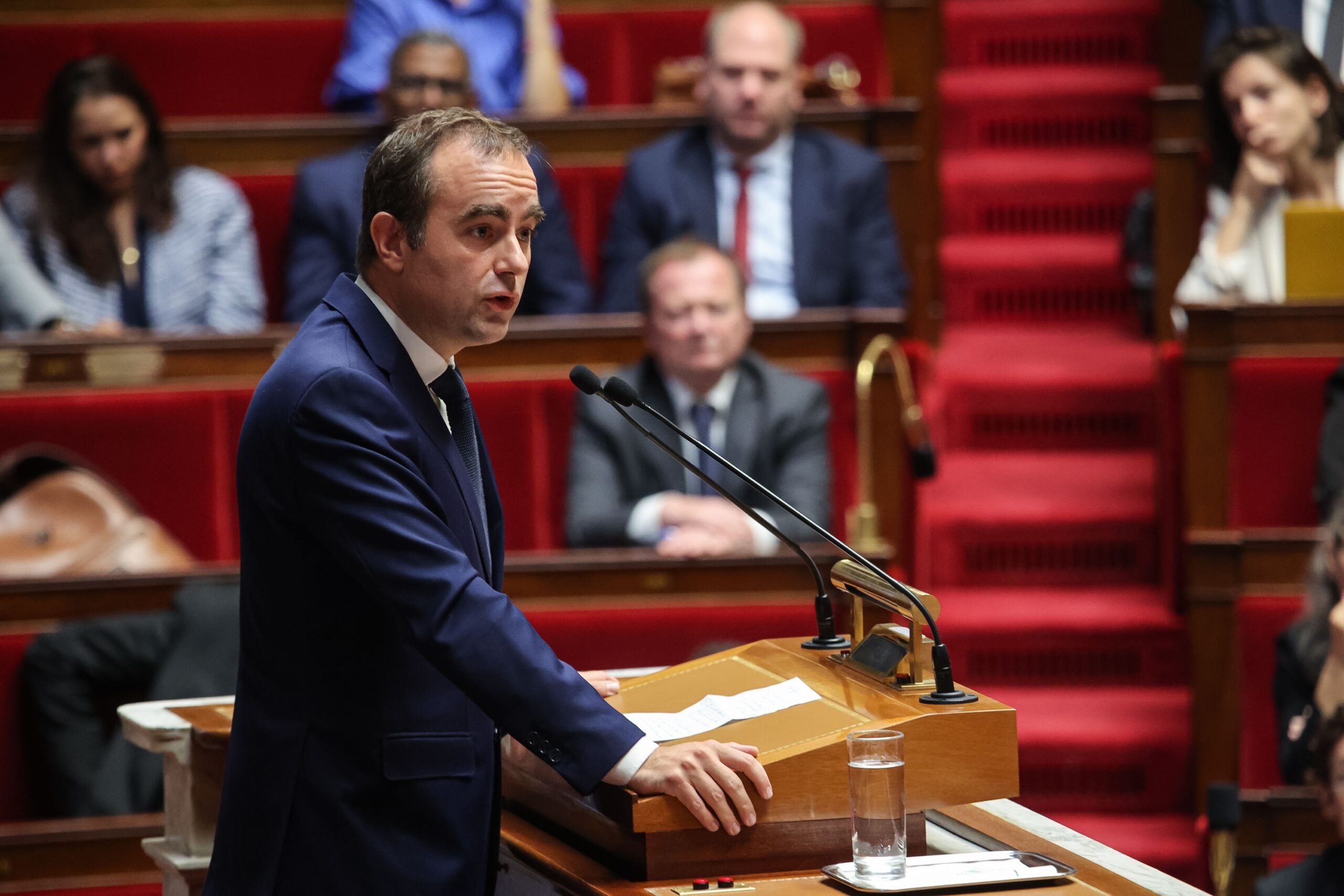
After significant delays due to political deadlock, the French Assemblée Nationale finally adopted the 2026 budget on 2 February. The government ultimately invoked its constitutional powers to push the finance bill through parliament, but Prime Minister Sébastien Lecornu again survived the no-confidence motions that followed. The Constitutional Court confirmed the budget on 19 February, which means President Macron can now sign it into law.
While France’s annual budgets can introduce significant tax reforms, the last few years have been uneventful – and 2026 is no exception. Income tax bands have risen slightly, and “the contribution sociale généralisée” one of the social charges has gone up for certain types of investment income.
France income tax 2026
Income tax rates remain unchanged, but the income bands have increased with inflation. The scale rates of French income tax, for income received in 2025, declared in 2026, are:
| NET INCOME | TAX RATE |
| Up to €11,600 | 0% |
| €11,601 to €29,579 | 11% |
| €29,580 to €84,577 | 30% |
| €84,578 to €181,917 | 41% |
| Over €181,917 | 45% |
There is no change to the additional tax imposed on higher incomes. A single person pays 3% or 4% for income over €250,000 and €500,000 respectively, while couples pay 3% or 4% for income over €500,000 and €1,000,000.
The 2025 budget extended this additional charge, so that households subject to it pay a minimum liability of 20%. This has not only been extended for 2026, but has been made permanent until the general budget deficit falls to 3% of GDP – unlikely to happen in the coming years since it was 5.6% in 2025. There is some taper relief available for income below €330,000 per person, and in certain cases for exceptional income only a quarter will be taken into account.
French social charges 2026
Social charges apply to income in addition to the scale rates of income tax and are made up of four elements.
There is no change for employment or pension income in 2026, but the contribution sociale généralisée (CSG) element increases from 9.2% to 10.6% for certain types of investment income.
Individuals covered under the health system of another EU/EEA country, and British expatriates with a Form S1, are not subject to social charges on foreign pension income and only pay the 7.5% Prélèvement de Solidarité on investment income.
In summary, social charges for 2026 are:
| Without an S1 | With S1 |
| Employment income | 9.7% | 9.7% |
| Pension income | 9.10% | exempt |
| Assurance-vie income and gains | 17.20% | 7.50% |
| Income from PEL, PEP & CEL tax saving arrangements | 17.20% | 7.50% |
| Capital gains on real estate | 17.20% | 7.50% |
| Rental income | 17.20% | 7.50% |
| Bank interest | 18.60% | 7.50% |
| Dividends | 18.60% | 7.50% |
| Gains made on shares | 18.60% | 7.50% |
French tax on investment income
The fixed rate of income tax for investment income remains 12.8% for 2026. This applies to interest, dividends and capital gains on the sale of shares and securities (but not to rental income).
Social charges apply above the tax rates, making a total of 31.4% for those without an S1, or 20.3% if you have an S1.
Lower income households can opt to use the scale rates of income tax instead (plus social charges), though that this would have to apply to all your income.
Real estate wealth tax
The current threshold of €1,300,000 stays in place for 2026 and there are no changes to the scale rates of wealth tax.
This tax continues to only apply to real estate assets, giving capital investments a clear tax advantage over property portfolios.
Succession tax
There have been no reforms to France’s inheritance tax for a few years now, and the only change this year operates in the context of the tax advantaged lifetime or on death transfers of businesses.
The number of years that a beneficiary must keep transferred assets or shares in a trading company to benefit from the 75% tax free exemption has increased from four to six. Assets such as cars and residences not exclusively used for the business are now completely excluded from the exemption.
While tax rates have not increased for several years, the tax-free allowances have also not risen with inflation. If you have not reviewed your estate planning for a while, though, it is always worth doing so to ensure you are taking advantage of all the opportunities to lower both French succession tax and UK inheritance tax for your family and heirs.
Holding company tax
The 2026 Budget introduces a 20% tax on holdings subject to corporate tax with at least one French resident shareholder. Effective 31 December 2026, it will apply to assets such as racehorses, jewellery, real estate affected to the benefit of the shareholder, where the holding company has non-operational assets worth €5,000,000 and over. Although shares and other financial assets are taken into account to determine whether this tax is payable, they are not themselves subject to the tax.
The temporary increase to the corporation tax rate of large enterprises continues in 2026.
Tax planning for UK nationals in France
British expatriates need to follow tax reforms in both France and UK, understanding how each applies to you and your heirs. The two regimes take different approaches, which means your tax and estate planning needs be adjusted when you move to France to ensure you hold your assets in most tax-efficient way possible.
While French taxation has been fairly stable over recent years, the UK is undergoing a period of change and higher taxation. While some of the reforms will impact expatriates who retain UK assets, France can offer a surprisingly favourable tax environment.
With the right strategic planning, many of our clients have significantly improved their tax position by relocating from the UK to France, or, if they already live in France, restructuring their assets to take advantage of the French regime.
At Blevins Franks, we deliver integrated advice on tax, estate planning, pensions and investments – tailored to your unique circumstances. Our aim is simple: to protect your wealth and legacy and give you lasting peace of mind.
Get in touch today.